

2025 Donnini-Rudolph Family Foundation – PCF Challenge Award


AI-driven Omics-Mapping of Key Factors for Long-term Remission in mPCa and Development of Novel Adoptive Cell Immunotherapy
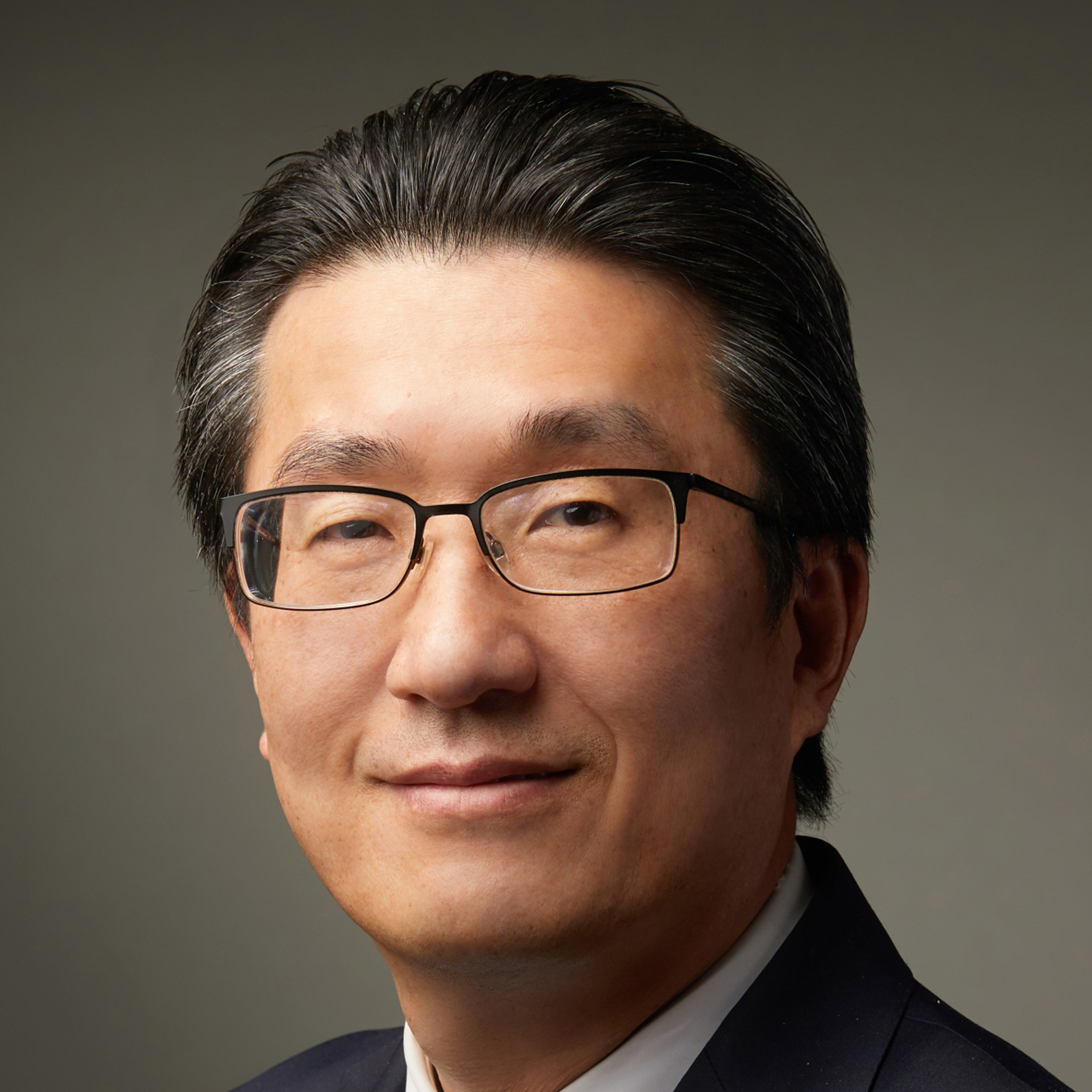
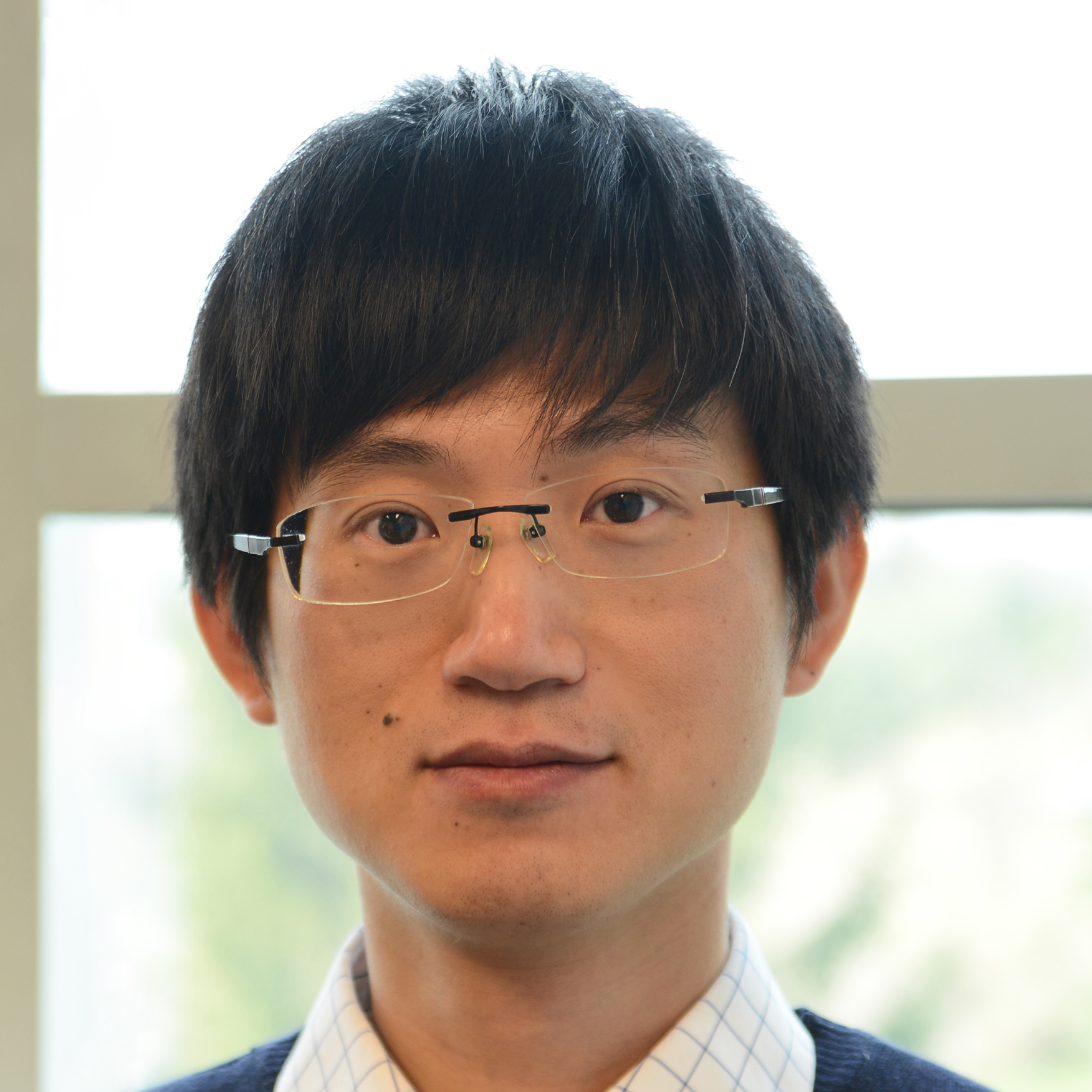
Principal Investigators: Ping Mu, PhD (Yale University), Adam Sharp, MD, PhD (Institute of Cancer Research (ICR)), Isaac Kim, MD, PhD (Yale University), Sidi Chen, PhD (Yale University)
Co-Investigators: Michael Leapman, MD (Yale University), Shrikant Mane, PhD (Yale University), Su Deng, PhD (Yale University), Lei Peng, PhD (Yale University)
Young Investigators: Siyuan Cheng, PhD (Yale University), Chuanpeng Dong, PhD (Yale University)
Collaborators: Adebowale Adeniran, MD (Yale University), Tao Wang, PhD (The University of Texas MD Anderson Cancer Center)
Description:
- Metastatic prostate cancer remains one of the most lethal forms of prostate cancer, in large part because patients almost always develop resistance to current treatments. Hormone therapies that block the androgen receptor (AR) typically stop working within two years, and immune checkpoint therapies, such as PD-1 inhibitors, have shown little benefit in this disease. This dual resistance leaves patients with very few effective options.
- Dr. Ping Mu and team recently conducted the SIMCAP trial, the first large-scale randomized study of surgery plus systemic therapy in men with metastatic prostate cancer. Remarkably, about 25% of patients in the trial achieved long-term remission when surgery was added to AR-targeted treatment. However, the majority, around 75%, still relapsed. This highlights the urgent need to understand why some patients respond so well while others do not.
- In this project, Dr. Mu and team will use state-of-the-art technologies such as single-cell sequencing and spatial transcriptomics to deeply profile tumors and immune cells from several large clinical trials, totaling more than 300 patients. The team will investigate tumor heterogeneity, the presence of different cancer cell populations within each tumor and how cancer cells interact with surrounding immune cells. Artificial intelligence (AI) algorithms will be used to integrate these complex datasets to identify the key factors that distinguish patients who remain in remission from those who relapse.
- Additionally, AI methods will be applied to identify weaknesses in immune responses, and design improved versions of T cell–based therapies for prostate cancer.
- If successful, this project will generate a new predictive biomarker that can help forecast patient outcomes and guide tailored treatment plans for patients with advanced prostate cancer, and will identify strategies to improve immunotherapy for prostate cancer.
What this means to patients: Despite significant progress in targeted therapies, metastatic prostate cancer remains a lethal disease due to the development of resistance to both AR-targeted treatments and immunotherapy. Dr. Mu’s project will integrate AI-based discovery with translational immunotherapy development, to develop a novel biomarker to stratify patients, identify actionable immune targets, and design next-generation T cell-based immunotherapy optimized to eliminate treatment-resistant prostate cancer cells. This could ultimately transform treatment of metastatic prostate cancer.